
AI-first search is changing how brands need to think about marketing budgets. Here’s how to rethink your investment across SEO, GEO, content, paid media and Digital PR.
How To Build A Marketing Budget For An AI-First Search Landscape
read more
ChatGPT Work, Claude Design 2.0, and Article 50 of the EU AI Act have landed within weeks of each other, each with interesting implications for where humans sit within the marketing workflow.
These new tools have moved from assistants that need constant steering to agents that complete entire briefs. The regulation, meanwhile, forces the disclosure conversation your legal team has been dodging.
For marketing leaders, these updates signal a change in how creative output gets produced, who owns it, and what has to be labelled before it goes live.
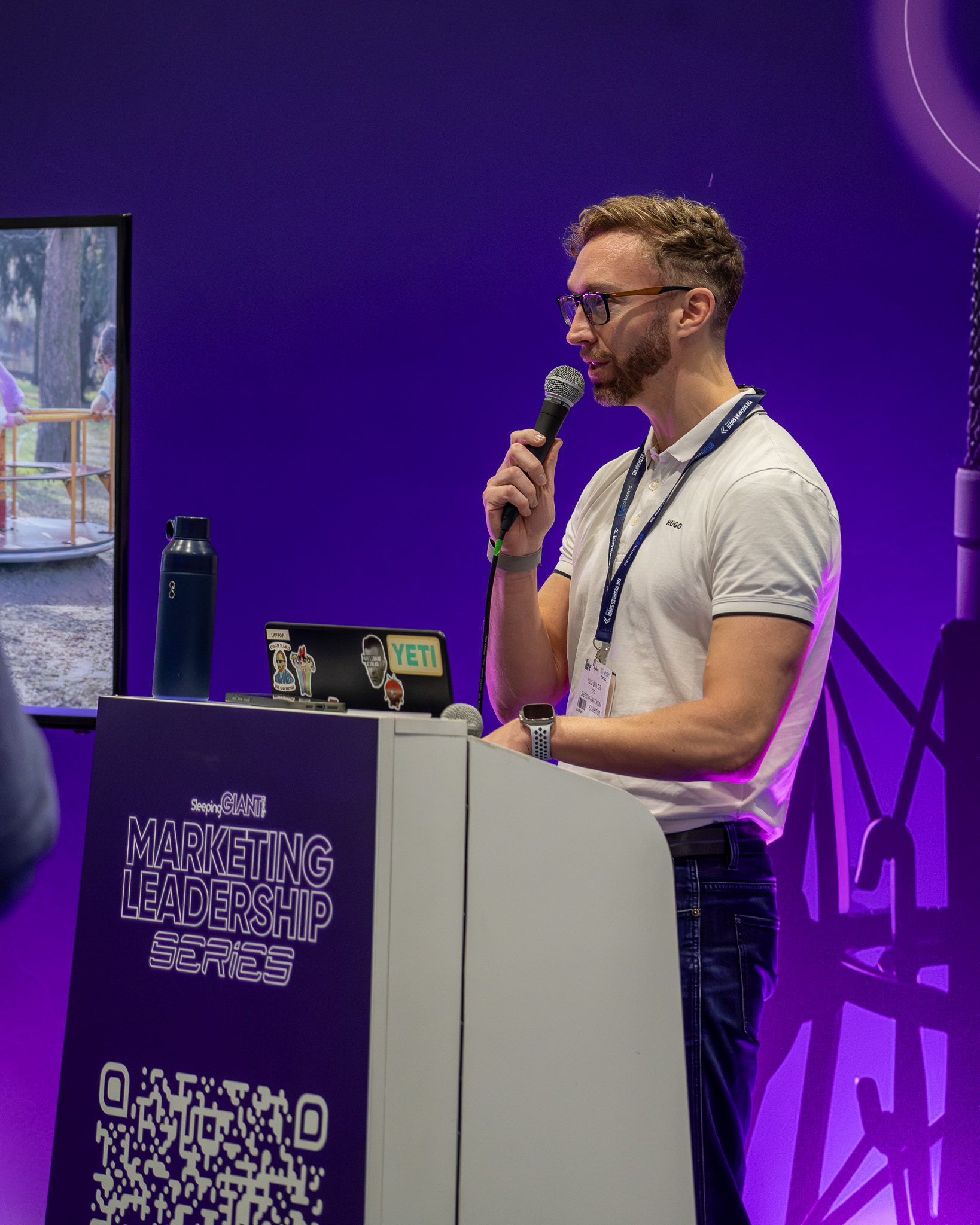
In this blog, our CEO and AI innovator, Luke Quilter, explains more about these new tools and their capabilities.
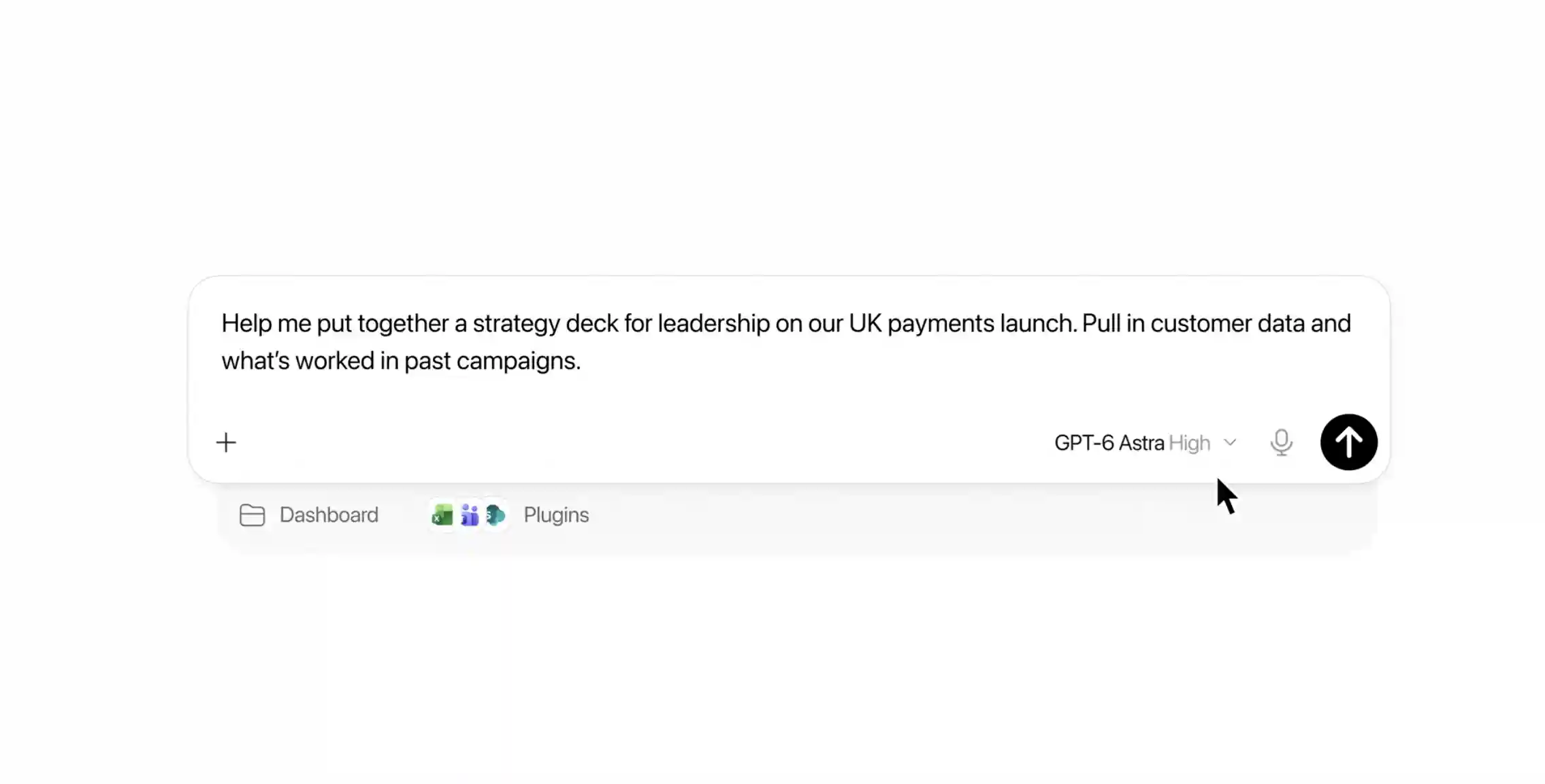
ChatGPT Work is an AI agent tool made by OpenAI that helps users complete multi-step knowledge work, rather than just acting like a conversational chatbot.
Functioning a bit like Gemini, ChatGPT Work gathers context, forms plans, and makes changes across your tools, files, and desktop apps to create polished documents (including slide decks and spreadsheets).
Crucially, ChatGPT Work collapses complex marketing workflows into single prompts, which means the smallest unit you delegate to AI is no longer a task but an outcome.
Previously, using AI meant a human orchestrating a chain: prompt, copy, paste, prompt again, format, export. Automation platforms like n8n strung those steps together, but they required build time.
ChatGPT Work, along with Claude’s equivalents, now handles the full sequence from one instruction: pull the data, write the analysis, drop it into a Google Doc, build the deck, draft the follow-up email.
“We’ve gone from what was, say, a 5-hour task to do it manually, to 2 hours using AI in terms of copy-paste in the chatbot format, and now it’s a 20-minute task.”
Luke Quilter, CEO & Co-Founder, Sleeping Giant Media
Now, you don’t need to be a commercial director to know that the business impact of such a time-saver could be a game-changer (if the quality carries through).
If your team is still using AI as a faster typewriter, you are leaving most of the productivity gain on the table. The work now is a workflow audit: identify recurring multi-step jobs (weekly competitor analysis, monthly performance recap, campaign brief expansion, media plan draft) and rebuild them as scheduled agents rather than manual sequences. The brief becomes the deliverable. The human role shifts to specification and quality control.
ChatGPT Work is an AI agent tool made by OpenAI that helps users complete multi-step knowledge work, rather than just acting like a conversational chatbot.
Functioning a bit like Gemini, ChatGPT Work gathers context, forms plans, and makes changes across your tools, files, and desktop apps to create polished documents (including slide decks and spreadsheets).
Crucially, ChatGPT Work collapses complex marketing workflows into single prompts, which means the smallest unit you delegate to AI is no longer a task but an outcome.
Previously, using AI meant a human orchestrating a chain: prompt, copy, paste, prompt again, format, export. Automation platforms like n8n strung those steps together, but they required build time.
ChatGPT Work, along with Claude’s equivalents, now handles the full sequence from one instruction: pull the data, write the analysis, drop it into a Google Doc, build the deck, draft the follow-up email.
“We’ve gone from what was, say, a 5-hour task to do it manually, to 2 hours using AI in terms of copy-paste in the chatbot format, and now it’s a 20-minute task.”
Luke Quilter, CEO & Co-Founder, Sleeping Giant Media
Now, you don’t need to be a commercial director to know that the business impact of such a time-saver could be a game-changer (if the quality carries through).
If your team is still using AI as a faster typewriter, you are leaving most of the productivity gain on the table. The work now is a workflow audit: identify recurring multi-step jobs (weekly competitor analysis, monthly performance recap, campaign brief expansion, media plan draft) and rebuild them as scheduled agents rather than manual sequences. The brief becomes the deliverable. The human role shifts to specification and quality control.
As we covered in our blog about the recent Spam Update, Google is not going to reward unedited AI output at scale. So, yes, while automated workflows can produce reams of content, these should be seen as first drafts, not published assets that go straight on the website.
If your content is to perform well in search, it must be edited, fact-checked, and enhanced by unique human input.
For more on the importance of human input in content generation, read our blog on E-E-A-T (Experience, Expertise, Authoritativeness, and Trustworthiness).
Claude Design 2.0 is a major update to Claude Design (a visual generation platform from Anthropic). The tool allows users to create digital designs, websites, presentations, and prototypes from text-based prompts, a bit like Nano Banana or image generation within ChatGPT or Gemini.
Thanks to the 2.0 update, users can now do much more with their credits, design from code and back again, edit directly on the canvas, and bring in their own design systems. Most importantly, however, the update allows for more customisation to your brand’s existing design guidelines.
Claude Design 2.0’s integrated brand system means the marketing team can now enforce brand consistency at the tool level rather than through creative review, which changes who owns creative governance.
Over the past few months, Claude Design has become one of the most interesting developments for in-house teams producing creative assets at scale.
“If you get the brand teams to own that creative, then they’ll be able to oversee others creating assets, knowing that they’re going to be 90% of the way there.”
Luke Quilter, CEO & Co-Founder, Sleeping Giant Media
The workflow Luke has trialled is worth stealing: generate the initial image in ChatGPT, where the model is stronger for humans and logo work, then import into Claude Design, apply the brand system, and produce the variants there. It plays to each tool’s strength rather than pretending one solves everything.
When it comes to rolling out this new form of asset generation, it’s worth bearing this in mind: your teams will likely use AI to make creative whether you sanction it or not.
So, the realistic question becomes whether the brand team works with a controlled system that gets colleagues 90% of the way there, or whether every department improvises and your visual identity fragments across LinkedIn, sales decks, and event collateral.
Key takeaway from Claude Design 2.0: Ownership of the brand pack is now a marketing operations function, not a creative team side project.
Claude Design 2.0 is a major update to Claude Design (a visual generation platform from Anthropic). The tool allows users to create digital designs, websites, presentations, and prototypes from text-based prompts, a bit like Nano Banana or image generation within ChatGPT or Gemini.
Thanks to the 2.0 update, users can now do much more with their credits, design from code and back again, edit directly on the canvas, and bring in their own design systems. Most importantly, however, the update allows for more customisation to your brand’s existing design guidelines.
Claude Design 2.0’s integrated brand system means the marketing team can now enforce brand consistency at the tool level rather than through creative review, which changes who owns creative governance.
Over the past few months, Claude Design has become one of the most interesting developments for in-house teams producing creative assets at scale.
“If you get the brand teams to own that creative, then they’ll be able to oversee others creating assets, knowing that they’re going to be 90% of the way there.”
Luke Quilter, CEO & Co-Founder, Sleeping Giant Media
The workflow Luke has trialled is worth stealing: generate the initial image in ChatGPT, where the model is stronger for humans and logo work, then import into Claude Design, apply the brand system, and produce the variants there. It plays to each tool’s strength rather than pretending one solves everything.
When it comes to rolling out this new form of asset generation, it’s worth bearing this in mind: your teams will likely use AI to make creative whether you sanction it or not.
So, the realistic question becomes whether the brand team works with a controlled system that gets colleagues 90% of the way there, or whether every department improvises and your visual identity fragments across LinkedIn, sales decks, and event collateral.
Key takeaway from Claude Design 2.0: Ownership of the brand pack is now a marketing operations function, not a creative team side project.
As we unpacked in our recent blog on the subject, Article 50 of the EU AI Act requires clear disclosure when AI has materially generated or manipulated content. Crucially, for marketers, the compliance risk sits with whoever produces the creative, not the tool that made it.
With ownership and generation rules stricter than ever (and with some hefty fines in place), marketers will need to stay on top of legislation and best practices when using new image generation tools.
To remain compliant, the smart move is to build AI disclosure into the creative brief and QA checklist now, rather than treating it as a legal review at the end.
Decide, per campaign, which assets contain material AI generation, what the disclosure looks like inside the creative, and who signs it off. Teams that bake this into production save themselves an expensive rebuild later down the line.
As generative AI tools continue to improve their quality and speed, marketing output is becoming cheaper and faster to produce, which puts pressure on volume expectations.
What’s more, brand and compliance risk is becoming easier to breach at scale, which puts pressure on governance. The teams that win the next 12 months are the ones that build the brand system, define the disclosure standard, and rewire their workflows around agents rather than tasks.
If you want a second view on where your current AI stack is under-configured, or how to structure a brand design system your wider business will actually respect, get in touch with Sleeping Giant Media’s team of AI experts.
In the meantime, keep up to date with our blog and calendar of Marketing Leadership events.
As generative AI tools continue to improve their quality and speed, marketing output is becoming cheaper and faster to produce, which puts pressure on volume expectations.
What’s more, brand and compliance risk is becoming easier to breach at scale, which puts pressure on governance. The teams that win the next 12 months are the ones that build the brand system, define the disclosure standard, and rewire their workflows around agents rather than tasks.
If you want a second view on where your current AI stack is under-configured, or how to structure a brand design system your wider business will actually respect, get in touch with Sleeping Giant Media’s team of AI experts.
In the meantime, keep up to date with our blog and calendar of Marketing Leadership events.
Ready for a digital marketing partner that delivers clear scoping, full transparency, and proven results? Fill out the form below to connect directly with the Sleeping Giant Media team and discover how we can help your business thrive.
AI-first search is changing how brands need to think about marketing budgets. Here’s how to rethink your investment across SEO, GEO, content, paid media and Digital PR.
Reddit’s share of ChatGPT citations dropped by 86.4% in just four days. So, what happened? We look at what the change could mean for AI visibility, why relying too heavily on a single citation source creates risk, and what marketers should be doing to build a more resilient strategy.
AI is transforming marketing, but how do you embrace the efficiencies without losing the creativity that makes great work stand out? This guide explores how to upskill your team while keeping human thinking at the heart of your marketing.