AI-first search is changing how brands need to think about marketing budgets. Here’s how to rethink your investment across SEO, GEO, content, paid media and Digital PR.
How To Build A Marketing Budget For An AI-First Search Landscape
read more
In 2026, two moves from Google have changed how marketing leaders think about where their budget sits in the funnel.
When read together, these updates signal how Google is tightening control over the user journey from query to transaction.
The March 2026 core update has accelerated a shift in how Google distributes authority, with destination brands gaining visibility at the expense of aggregators and intermediaries.
The update’s volatility was severe, sitting at levels comparable to December 2024’s update, according to Semrush and Similarweb data. But the more interesting story is directional. Aggregators, comparison sites, and content middlemen are losing ground to the brands that actually deliver the product or service.
“Aggregators are losing, but the good authoritative brands are really winning.”
– Ryan Williamson, Senior SEO Manager, Sleeping Giant Media
For marketing leaders in sectors that have historically leaned on aggregator visibility, this is a budget reallocation question, not an SEO tweak. Insurance, finance, travel, and home services have spent years feeding aggregator ecosystems with affiliate commissions and lead-gen fees. If the aggregators themselves are losing share of voice, that channel becomes more expensive and less defensible at the same time. Owning the user journey from first query to conversion is now the cheaper option.

Google is removing third-party layers from the search journey, so it can own the path to agentic, AI-driven transactions itself.
The framing of “rewarding quality content” only tells part of the story. Google is preparing the ground for AI Mode and agentic search, where the assistant books the table, files the claim, or buys the product directly. Third-party aggregators sit in the way of that. They are, functionally, competing aggregators to Google’s own AI layer.
“[Google] wants to be able to move away and ensure that AI conversation is the determining discussion, rather than relying upon a third-party tool to make those decisions for you.”
– Ryan Williamson, Senior SEO Manager, Sleeping Giant Media
The strategic read for marketing leaders: if your acquisition strategy relies on appearing inside someone else’s aggregation layer, you are building on land Google is actively clearing. Direct brand presence, structured data that supports agentic actions, and a clean transactional path on your own domain are now the assets worth investing in. This is also why brand-led search demand matters more than it did twelve months ago. When AI assistants choose a provider, brand recognition and trust signals carry disproportionate weight.
The March 2026 core update has accelerated a shift in how Google distributes authority, with destination brands gaining visibility at the expense of aggregators and intermediaries.
The update’s volatility was severe, sitting at levels comparable to December 2024’s update, according to Semrush and Similarweb data. But the more interesting story is directional. Aggregators, comparison sites, and content middlemen are losing ground to the brands that actually deliver the product or service.
“Aggregators are losing, but the good authoritative brands are really winning.”
– Ryan Williamson, Senior SEO Manager, Sleeping Giant Media
For marketing leaders in sectors that have historically leaned on aggregator visibility, this is a budget reallocation question, not an SEO tweak. Insurance, finance, travel, and home services have spent years feeding aggregator ecosystems with affiliate commissions and lead-gen fees. If the aggregators themselves are losing share of voice, that channel becomes more expensive and less defensible at the same time. Owning the user journey from first query to conversion is now the cheaper option.
Google is removing third-party layers from the search journey, so it can own the path to agentic, AI-driven transactions itself.
The framing of “rewarding quality content” only tells part of the story. Google is preparing the ground for AI Mode and agentic search, where the assistant books the table, files the claim, or buys the product directly. Third-party aggregators sit in the way of that. They are, functionally, competing aggregators to Google’s own AI layer.
“[Google] wants to be able to move away and ensure that AI conversation is the determining discussion, rather than relying upon a third-party tool to make those decisions for you.”
– Ryan Williamson, Senior SEO Manager, Sleeping Giant Media
The strategic read for marketing leaders: if your acquisition strategy relies on appearing inside someone else’s aggregation layer, you are building on land Google is actively clearing. Direct brand presence, structured data that supports agentic actions, and a clean transactional path on your own domain are now the assets worth investing in. This is also why brand-led search demand matters more than it did twelve months ago. When AI assistants choose a provider, brand recognition and trust signals carry disproportionate weight.
Staying competitive after the March 2026 Core Update means demonstrating experience, expertise, authority and trust (EEAT) through verifiable third-party recognition, not just on-site claims.
The instinct when EEAT comes up is to add author bios and call it done. But that is not what is moving the needle. The brands gaining ground are the ones that are talked about elsewhere with substance, by named experts, in publications and communities that Google already trusts.
Self-declared authority is cheap. Earned authority is the key.
Here are some practical priorities to help build your site’s authenticity meaningfully:
If your current SEO strategy is built around keyword coverage rather than authority building, it is already behind where the algorithm is rewarding.
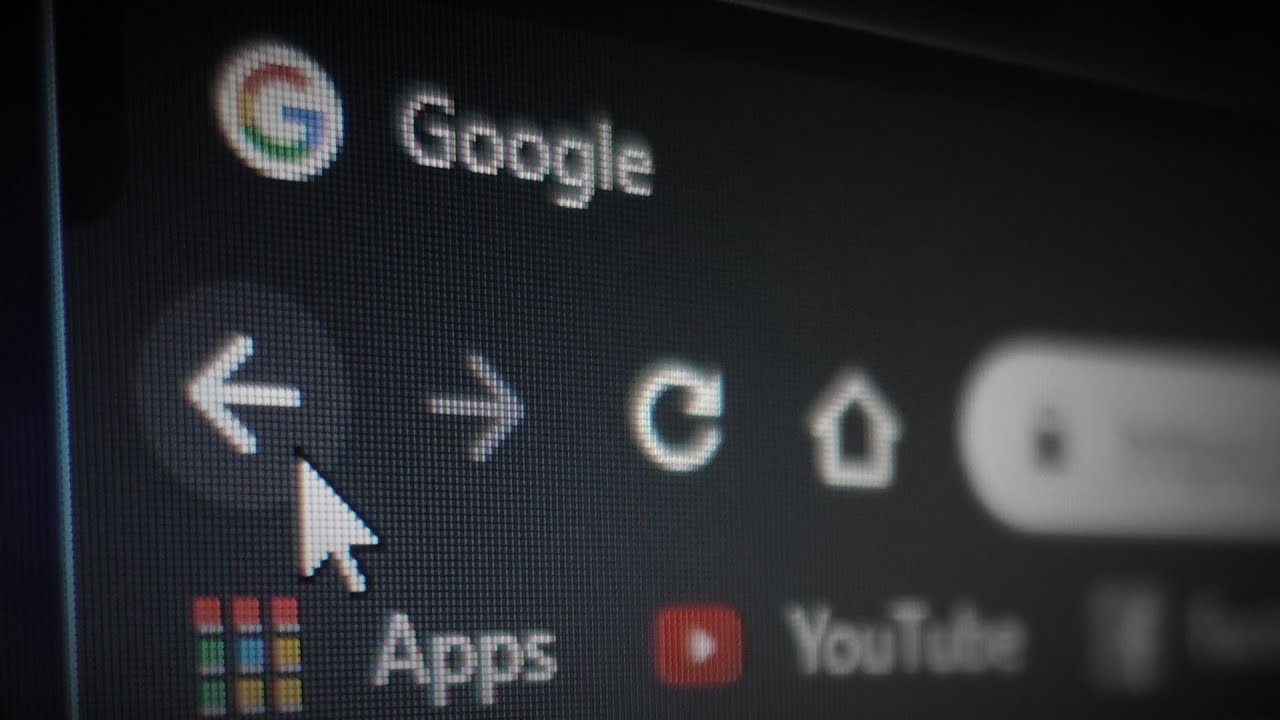
Google has reclassified back button hijacking as a malicious practice, with enforcement starting 15th June 2026, putting any site that interferes with browser history at direct demotion risk.
This one is easier to action but often overlooked. Back button hijacking, where a site injects fake history entries or redirects users away from the previous page, has been added to Google’s spam policies under malicious practices, alongside malware. Manual actions and automated demotions are both on the table.
“If you’re being served a page that you didn’t choose to see, that is a bit of a black hat tactic. It’s definitely worth making sure that, if that is a functionality in a website, it’s disabled.”
– Ryan Williamson, Senior SEO Manager, Sleeping Giant Media
The commercial implication is straightforward. Some of these behaviours are baked into older templates, ad monetisation scripts, or third-party tags that nobody has reviewed in years. Marketing leaders should commission a technical audit specifically against the new spam policy before June 2026, because the cost of a manual action far outweighs the cost of the fix.
Pay particular attention to inherited code from previous agencies, affiliate plugins, and any monetisation layer added by commercial teams without SEO review.

Both updates point to the same underlying instruction from Google: own the experience, or lose the visibility. Aggregator dependency, weak EEAT signals, and inherited UX hacks are now liabilities that compound. Brands that respond by tightening their own journey, investing in earned authority, and stripping out interference will keep gaining ground as AI-driven search matures.
If you want a second opinion on how exposed your current strategy is to these shifts, get in touch with the team at Sleeping Giant Media. We will tell you where the risk sits and what to prioritise first. For more expert marketing insights, keep up to date with our calendar of events and handy blog.
Google has reclassified back button hijacking as a malicious practice, with enforcement starting 15th June 2026, putting any site that interferes with browser history at direct demotion risk.
This one is easier to action but often overlooked. Back button hijacking, where a site injects fake history entries or redirects users away from the previous page, has been added to Google’s spam policies under malicious practices, alongside malware. Manual actions and automated demotions are both on the table.
“If you’re being served a page that you didn’t choose to see, that is a bit of a black hat tactic. It’s definitely worth making sure that, if that is a functionality in a website, it’s disabled.”
– Ryan Williamson, Senior SEO Manager, Sleeping Giant Media
The commercial implication is straightforward. Some of these behaviours are baked into older templates, ad monetisation scripts, or third-party tags that nobody has reviewed in years. Marketing leaders should commission a technical audit specifically against the new spam policy before June 2026, because the cost of a manual action far outweighs the cost of the fix.
Pay particular attention to inherited code from previous agencies, affiliate plugins, and any monetisation layer added by commercial teams without SEO review.
Both updates point to the same underlying instruction from Google: own the experience, or lose the visibility. Aggregator dependency, weak EEAT signals, and inherited UX hacks are now liabilities that compound. Brands that respond by tightening their own journey, investing in earned authority, and stripping out interference will keep gaining ground as AI-driven search matures.
If you want a second opinion on how exposed your current strategy is to these shifts, get in touch with the team at Sleeping Giant Media. We will tell you where the risk sits and what to prioritise first. For more expert marketing insights, keep up to date with our calendar of events and handy blog.
Ready for a digital marketing partner that delivers clear scoping, full transparency, and proven results? Fill out the form below to connect directly with the Sleeping Giant Media team and discover how we can help your business thrive.
AI-first search is changing how brands need to think about marketing budgets. Here’s how to rethink your investment across SEO, GEO, content, paid media and Digital PR.
ChatGPT Work and Claude Design 2.0 are changing how marketing teams create, automate and manage work. But as AI takes on more of the workflow, what happens to human oversight, brand ownership and compliance?
Reddit’s share of ChatGPT citations dropped by 86.4% in just four days. So, what happened? We look at what the change could mean for AI visibility, why relying too heavily on a single citation source creates risk, and what marketers should be doing to build a more resilient strategy.