AI-first search is changing how brands need to think about marketing budgets. Here’s how to rethink your investment across SEO, GEO, content, paid media and Digital PR.
How To Build A Marketing Budget For An AI-First Search Landscape
read more
We’ve seen the headlines: organic social media growth is dead. Reach is plummeting, algorithms and the ever-changing role of AI in search are continually moving the goalposts, and distribution is being throttled – unless you’re willing to pay.
Hootsuite research backs up this grim picture, which says that average organic reach on Facebook has collapsed to around 2.2% of page followers. Similar benchmarks indicate that on Instagram, feed posts reach fewer than 1 in 10 followers, and LinkedIn engagement continues to fall.
Those numbers might keep marketers up at night, but it doesn’t follow that trying to increase your reach organically means you’ve already lost the battle. It just means that the value of organic social needs to be redefined.
“Just like the collapse of organic search, the decline in organic social reach doesn’t mean it’s the end – it means you need to better qualify what really matters.”
Steven Westgate, Director of Organic and Omnichannel Performance, Sleeping Giant Media.
Organic reach is not dead, but its purpose has fundamentally changed – and marketers who still measure it as an acquisition channel are asking the wrong question entirely.
Now, the focus isn’t on using organic social as a direct driver of purchases, but rather on its indirect value.
Reach is a proxy metric, and we need to treat it as such: it’s an indirect way to predict an outcome, but the figures themselves (such as followers and engagements) can only tell part of the story.
Interestingly, Sprout Social’s 2025 Content Benchmarks Report indicates that brands have seen a 20% year-on-year jump in average inbound engagement, which means audiences seeing organic content are interacting with it more, not less.
Reach has shrunk, sure, but the people the content reaches are paying closer attention, and this may influence their engagement, opinions, or purchase decisions. In other words, we want quality followers who are more likely to engage, rather than high volumes of subscribers who won’t.
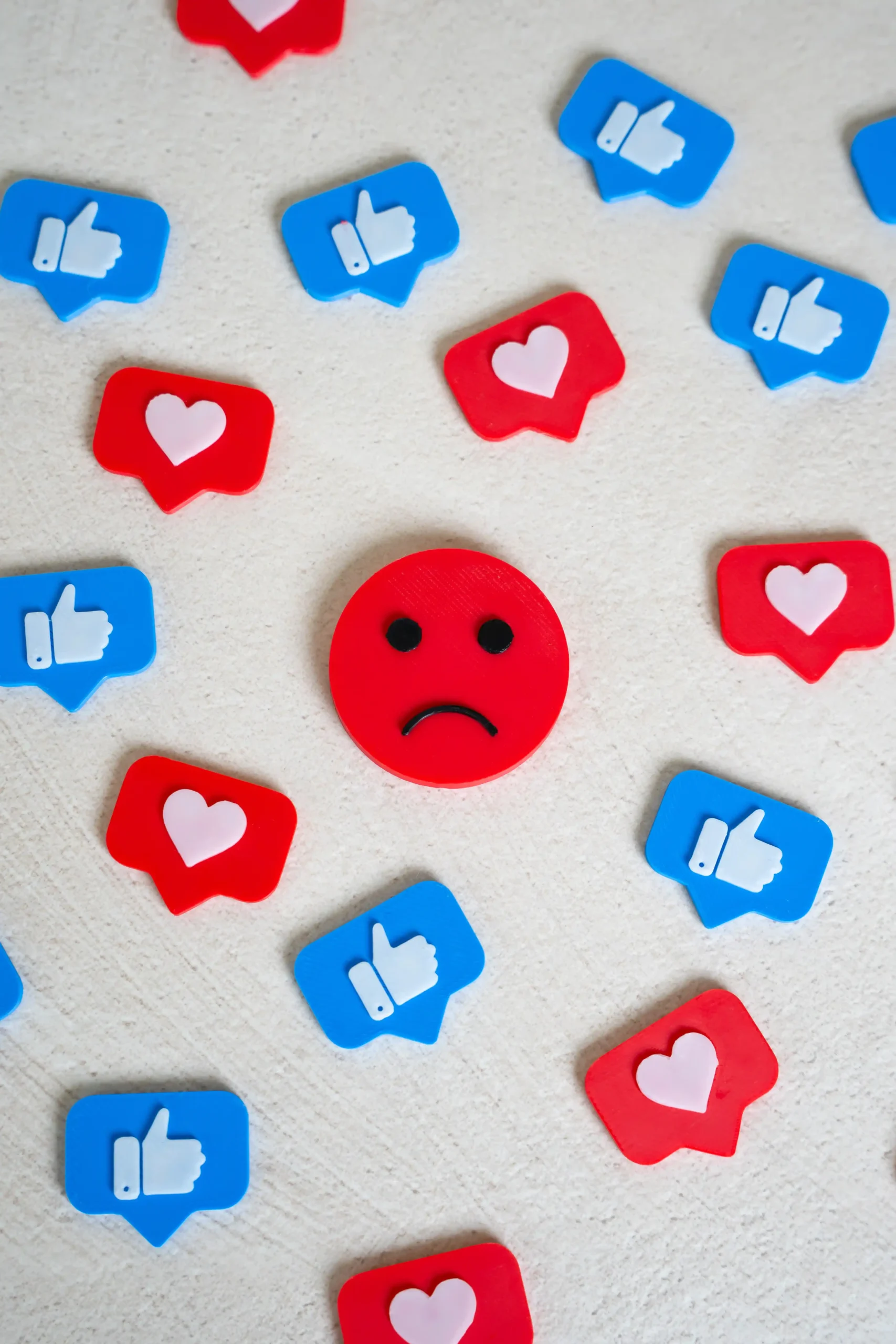
Organic social is rarely viewed as a top choice for generating direct, trackable revenue. We can’t compare organic reach to paid search or paid campaigns, but that doesn’t mean investing your time and energy in organic growth lacks commercial value.
This is the myth about organic social that causes the most damage. Organic social’s contribution to revenue is real, but indirect.
Research from Les Binet found that a 10% increase in branded search volume predicts 5% to 8% revenue growth, and organic social is one of the channels that feeds branded search. A consumer who sees your content repeatedly is more likely to type your company name into Google when it’s time to make a purchase decision.
Influencer content, videos, and multi-channel social campaigns can all increase brand awareness, which is worth remembering, given that 71% of consumers say they are more likely to buy from brands they recognise on social media.
“Authenticity and recognisability are two of the most important attributes that brands should prioritise when showing up in online spaces.”
Kitty Bushell, Content Manager, Sleeping Giant Media
Organic reach is not dead, but its purpose has fundamentally changed – and marketers who still measure it as an acquisition channel are asking the wrong question entirely.
Now, the focus isn’t on using organic social as a direct driver of purchases, but rather on its indirect value.
Reach is a proxy metric, and we need to treat it as such: it’s an indirect way to predict an outcome, but the figures themselves (such as followers and engagements) can only tell part of the story.
Interestingly, Sprout Social’s 2025 Content Benchmarks Report indicates that brands have seen a 20% year-on-year jump in average inbound engagement, which means audiences seeing organic content are interacting with it more, not less.
Reach has shrunk, sure, but the people the content reaches are paying closer attention, and this may influence their engagement, opinions, or purchase decisions. In other words, we want quality followers who are more likely to engage, rather than high volumes of subscribers who won’t.
Organic social is rarely viewed as a top choice for generating direct, trackable revenue. We can’t compare organic reach to paid search or paid campaigns, but that doesn’t mean investing your time and energy in organic growth lacks commercial value.
This is the myth about organic social that causes the most damage. Organic social’s contribution to revenue is real, but indirect.
Research from Les Binet found that a 10% increase in branded search volume predicts 5% to 8% revenue growth, and organic social is one of the channels that feeds branded search. A consumer who sees your content repeatedly is more likely to type your company name into Google when it’s time to make a purchase decision.
Influencer content, videos, and multi-channel social campaigns can all increase brand awareness, which is worth remembering, given that 71% of consumers say they are more likely to buy from brands they recognise on social media.
“Authenticity and recognisability are two of the most important attributes that brands should prioritise when showing up in online spaces.”
Kitty Bushell, Content Manager, Sleeping Giant Media
Follower count on its own tells you very little: we need to pay attention instead to the quality and activity of a follower base and how they impact both your paid and organic content performance.
A large but inactive follower count with barely any engagement doesn’t have any intrinsic value, because no matter how many thousands or millions of accounts follow you, low engagement rates signal to today’s algorithms that your content is low-quality or irrelevant, and this can drastically reduce reach or citations.
Let’s use Facebook as a prime example. Meta’s algorithm uses follower behaviour as a relevance signal, and posts that score above 7.8 out of 10 on Meta’s scale achieve an average organic reach of 18.6%, while posts below 4.2 reach just 1.3% of users.
If you have inactive followers from years ago that haven’t engaged with your content since, or even new subscribers that swipe away every time, this can impact your score. Instead, you need to target an audience that will like, comment, save, repost, or otherwise share your content to see real value – indirectly or otherwise.
It’s not about how many followers a brand has, but rather what they are doing with the content they are shown.
It is possible to calculate a return on investment (ROI) with organic social, but not with the same model you would use for paid campaigns.
If you are measuring organic social against cost-per-acquisition benchmarks, as an example, you are using the wrong metrics.
With paid social, the maths is visible. Spend goes in, conversions come out, and you calculate return on ad spend (ROAS) at the end of the agreed time period.
Organic social, however, doesn’t work that way. The cost is buried in time spent on ideation, planning, monitoring, content production, and research, and the path to conversion is longer and indirect.
That does not mean you can’t measure or provide an ROI. Most businesses can track organic social’s contribution using Google Analytics and a spreadsheet, provided they have agreed on what constitutes a conversion. Branded search uptick and earned media value, too, can give you figures for your balance sheet.

Organic social still belongs firmly within your holistic marketing strategy. In fact, the businesses seeing the strongest returns in 2026 are running organic and paid together as a single system, where each channel feeds the other, rather than choosing between them.
“Your organic social channels should act as part of a holistic approach to brand visibility and growth of SOV, having a focus on conversations and themes that matter to you and your audience, growing your topical authority and your ability to have meaningful interactions with people.”
Steven Westgate, Director of Organic and Omnichannel Performance, Sleeping Giant Media.
If you want to build a social strategy that connects organic and paid media into a single strategy that will benefit your business, get in touch with the team at Sleeping Giant Media.
In the meantime, keep up with our blog and calendar of events for more exclusive insights for marketing leaders.
It is possible to calculate a return on investment (ROI) with organic social, but not with the same model you would use for paid campaigns.
If you are measuring organic social against cost-per-acquisition benchmarks, as an example, you are using the wrong metrics.
With paid social, the maths is visible. Spend goes in, conversions come out, and you calculate return on ad spend (ROAS) at the end of the agreed time period.
Organic social, however, doesn’t work that way. The cost is buried in time spent on ideation, planning, monitoring, content production, and research, and the path to conversion is longer and indirect.
That does not mean you can’t measure or provide an ROI. Most businesses can track organic social’s contribution using Google Analytics and a spreadsheet, provided they have agreed on what constitutes a conversion. Branded search uptick and earned media value, too, can give you figures for your balance sheet.
Organic social still belongs firmly within your holistic marketing strategy. In fact, the businesses seeing the strongest returns in 2026 are running organic and paid together as a single system, where each channel feeds the other, rather than choosing between them.
“Your organic social channels should act as part of a holistic approach to brand visibility and growth of SOV, having a focus on conversations and themes that matter to you and your audience, growing your topical authority and your ability to have meaningful interactions with people.”
Steven Westgate, Director of Organic and Omnichannel Performance, Sleeping Giant Media.
If you want to build a social strategy that connects organic and paid media into a single strategy that will benefit your business, get in touch with the team at Sleeping Giant Media.
In the meantime, keep up with our blog and calendar of events for more exclusive insights for marketing leaders.
Ready for a digital marketing partner that delivers clear scoping, full transparency, and proven results? Fill out the form below to connect directly with the Sleeping Giant Media team and discover how we can help your business thrive.
AI-first search is changing how brands need to think about marketing budgets. Here’s how to rethink your investment across SEO, GEO, content, paid media and Digital PR.
ChatGPT Work and Claude Design 2.0 are changing how marketing teams create, automate and manage work. But as AI takes on more of the workflow, what happens to human oversight, brand ownership and compliance?
Reddit’s share of ChatGPT citations dropped by 86.4% in just four days. So, what happened? We look at what the change could mean for AI visibility, why relying too heavily on a single citation source creates risk, and what marketers should be doing to build a more resilient strategy.